More Information on Poison Ivy
Best Way to Stay Safe From Poison Ivy
Poison ivy accounts for an estimated 43,000 annual visits to the emergency department. Identifying poison ivy is the first and most important step in protecting you and your loved ones from the painful, itchy rash it causes. To help you learn to recognize the plant, we’ve included several photos and descriptions.
Teaching children how to recognize poison ivy helps them protect themselves and their friends while enjoying the great New England outdoors. Remember the phrase:
“Leaves of three, let it be. Hairy vine, no friend of mine”
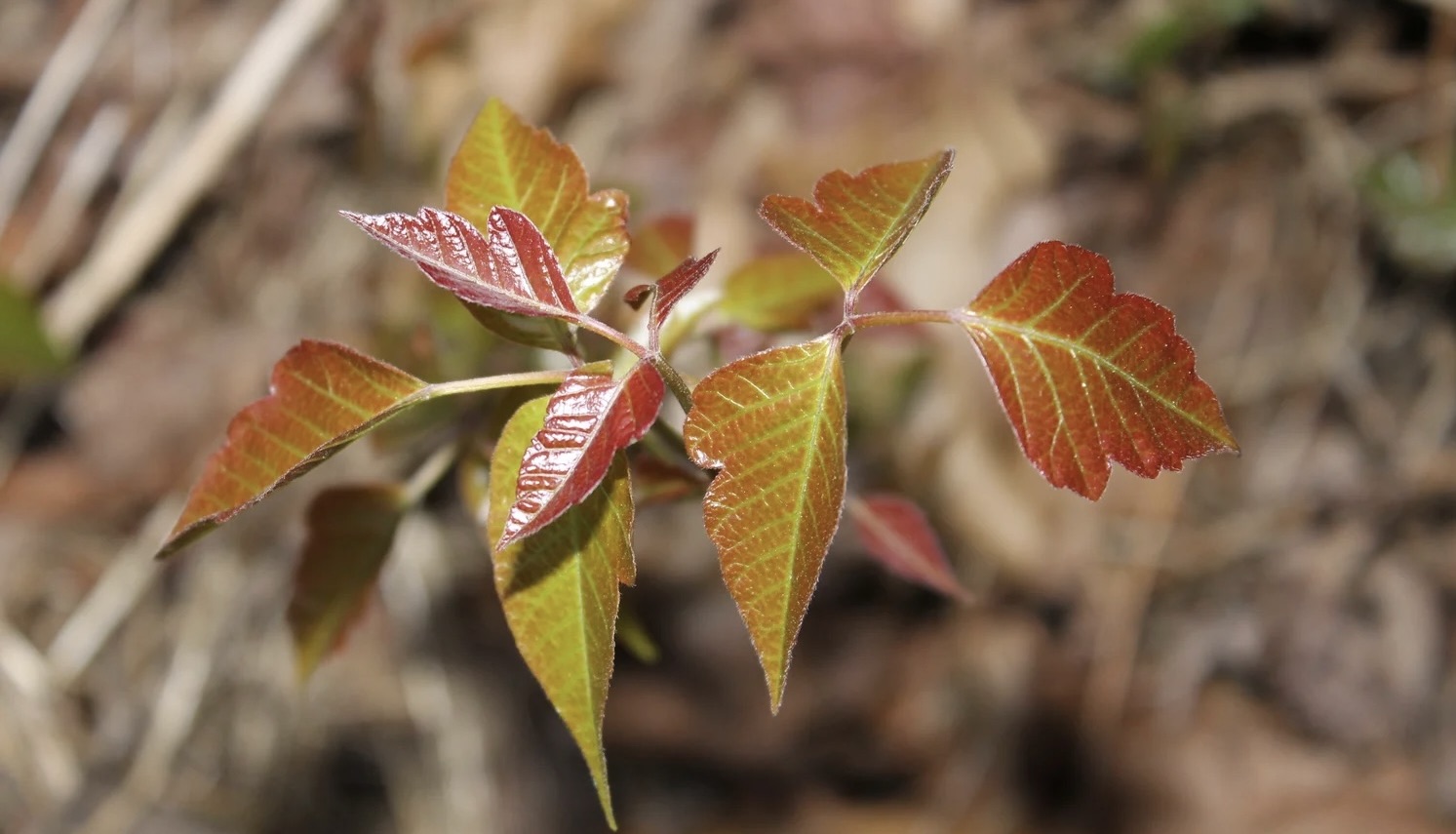
Red leaves on young spring growth.
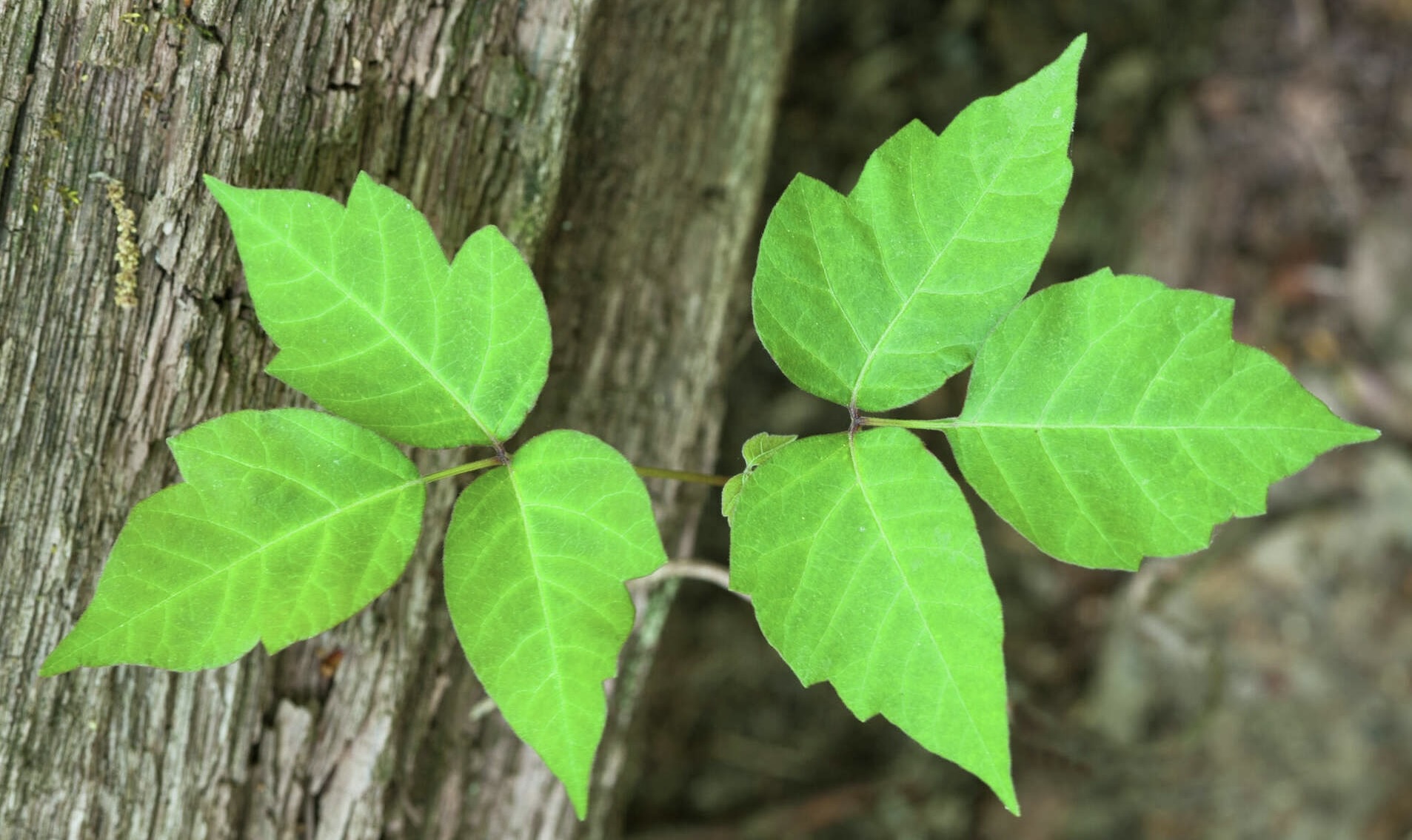
More heavily serrated or toothed poison ivy leaves
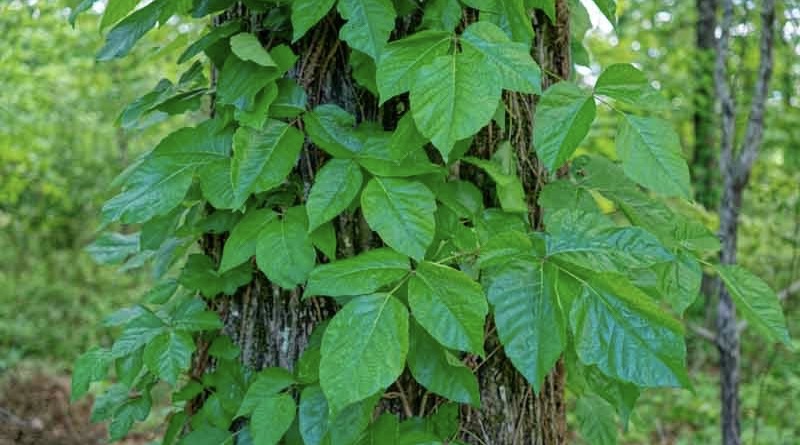
Poison Ivy on a tree with no serrated leaf edges
Key Identification Features
Three Leaflets
-
Poison ivy leaves always grow in groups of three.
-
The center leaf typically has a longer stem than the two side leaves.
Variable Leaf Edges
-
Leaves may be smooth, slightly toothed, or somewhat lobed.
-
This variability is why poison ivy is often mistaken for other plants.
Color Changes Through the Seasons
-
Spring: reddish or bronze leaves
-
Summer: bright to dark green
-
Fall: yellow, orange, or red
Growth Forms
Poison ivy can grow in several different ways:
-
Groundcover spreading across lawns and garden beds.
-
Shrub form in fields or along woodland edges.
-
Climbing vines often develop hairy aerial roots, which make the vine look fuzzy on tree trunks or posts. These vines can grow thick over time, sometimes reaching several inches in diameter as they climb trees and extend into the canopy.
Growth Forms Flowers and Berries
In late spring to early summer, poison ivy produces small, greenish-white flowers that grow in clusters near where the leaves attach to the stem. These flowers develop into small, pale green to whitish berries by late summer and fall. The berries persist into winter and are an important food source for birds and other wildlife, which then spread the seeds to new areas.
With responsible vegetation management, we can take action that helps people & native vegetation thrive in New England landscapes.
What Causes the Poison Ivy Rash?
Poison ivy contains an oil called urushiol. Urushiol is found in all parts of the plant, including:
- leaves
- stems
- roots
- vines
Poison ivy plants tend to have more urushiol in the spring and summer months. It is at this time when it is at its most dangerous.
When urushiol contacts skin, it can cause an allergic reaction that results in an itchy rash and blistering. People ask if we get the rash. Yes, we get it too.
People can also get the rash without touching the plant. The oil can spread to them from:
-
clothing (theirs or somebody else’s)
-
garden tools
-
pet fur
- weed whacking
- grass clippings
- wood cutting tools
-
firewood
Because urushiol remains active for a long time, contact can occur even after laundering, after tools have sat awhile or the plant has died.
Check all fire wood for the hairy fibrous vines of poison ivy before you burn it. Inhaling smoke from burning poison ivy is a medical emergency that can lead to severe respiratory distress, hospitalization, and in rare cases, death.
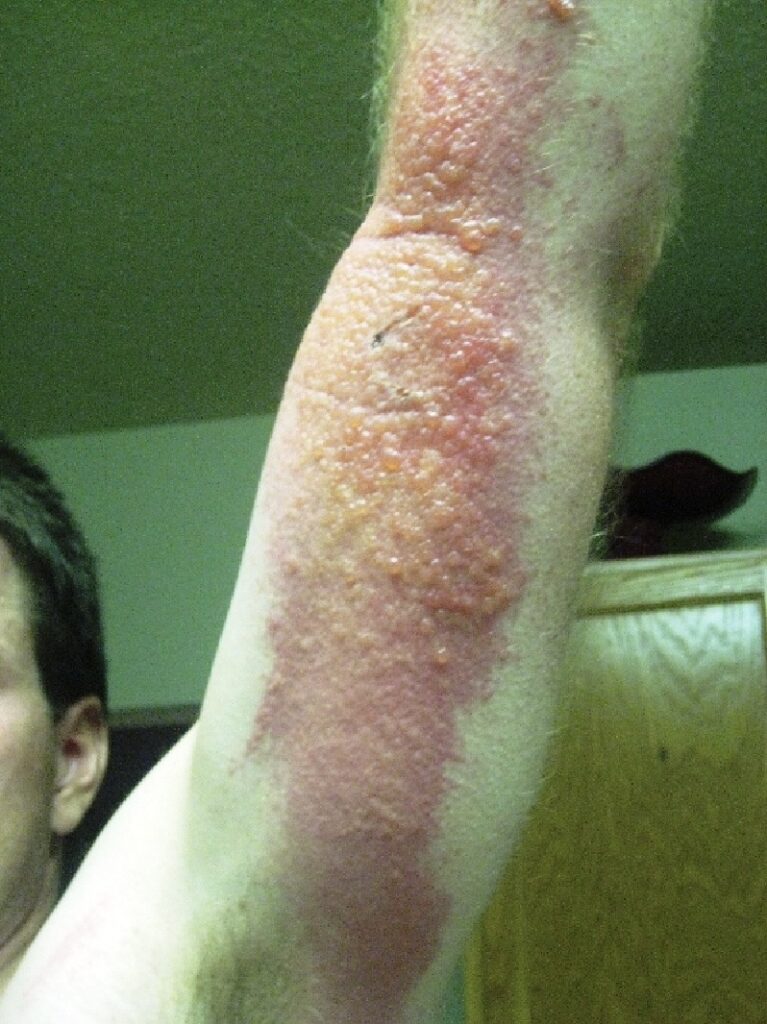
When dealing with poison ivy, it is important to be careful, wise and observant. Especially in New England, where poison ivy thrives.
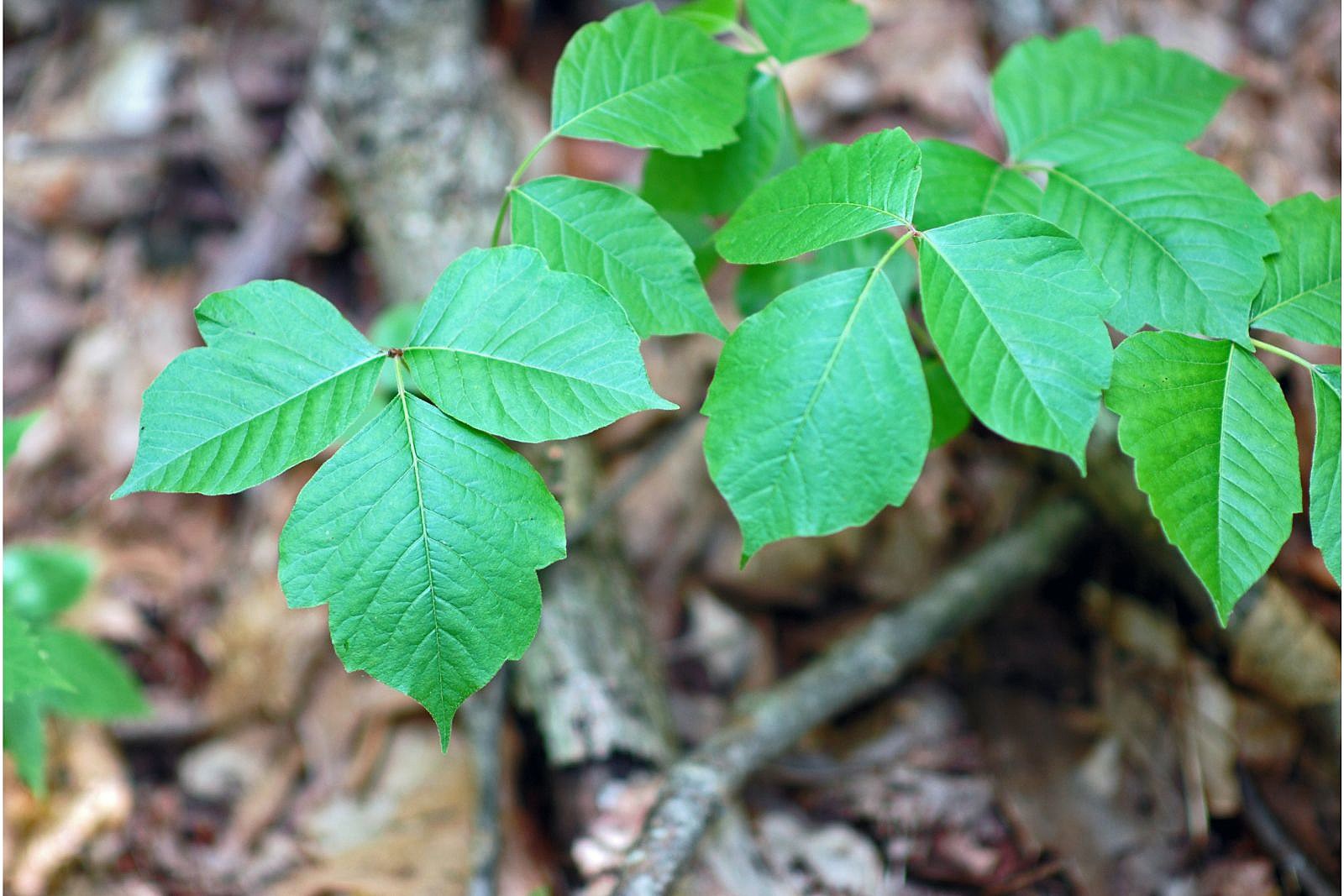
“Leaves of three, let it be.” Poison ivy leaves can vary widely in their edge serration. On this plant, some leaves have mild noticeable points or teeth along the edges while other edges have none.
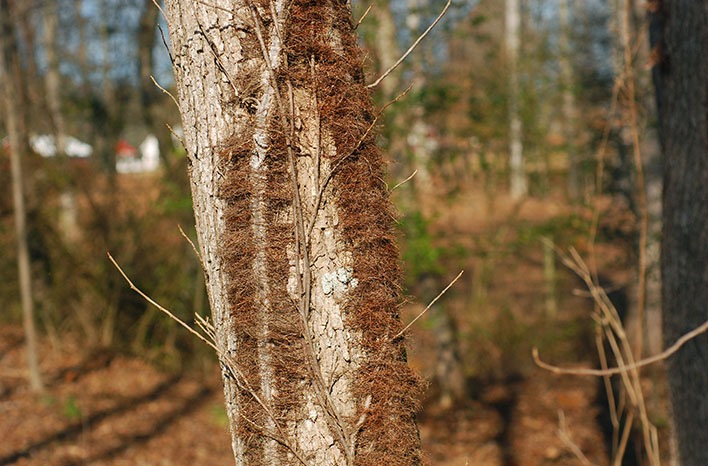
“Hairy vine, no friend of mine.” This image shows hairy, fibrous poison ivy vines on a tree.
Warning! Never Burn Poison Ivy!
Inhaling smoke from burning poison ivy is a medical emergency that can lead to severe respiratory distress, hospitalization, and in rare cases, death. Check all fire wood for the hairy fibrous vines of poison ivy. Poison ivy vines on trees can have active urushiol up to 5 years after death. When the plant burns, its toxic oil does not evaporate… instead, it attaches to smoke, dust, and ash particles that are then carried into your lungs.
- Difficulty breathing or shortness of breath.
- Severe coughing or wheezing.
- Swelling of the face, lips, or throat.
- Fever above 100°F (37.8°C).
- Rashes forming inside the mouth or on the lips.
What To Do If You Get Exposed to Poison Ivy
1. Wash the Skin Immediately
Use soap, cool water and a wash cloth as soon as possible, ideally within 10–15 minutes of exposure for the best chance of avoiding the rash. We use Dawn dishwashing detergent due to its oil cutting capabilities. A wash cloth adds friction that also helps to remove urushiol.
Consider the possibility that you may have touched different parts of your body, such as your face, after touching poison ivy. The urushiol spreads all to easily. Wash thoroughly everywhere you think may have been exposed to the urushiol oil.
2. Clean Clothing and Tools... Thoroughly
Urushiol can remain on surfaces, even after cleaning, if not cleaned well. Wash clothing, gloves, and tools very well, that may have contacted the plant.
Use a good oil cutting cloths detergent and wash in hot water with an extra wash cycle when laundering. Tools can be washed, while wearing gloves, in hot water (as hot as you can handle) and dawn dishwashing detergent.
3. Avoid Scratching
Scratching can break the skin and increase the risk of infection. For some, running warm water on a rash while wipping it with a wash cloth can help.
There are some products that can help with the itch of the rash. Over-the-counter products such as:
-
hydrocortisone cream
-
calamine lotion
-
cool compresses
- Ivy Dry
All can help reduce itching and inflammation, and help the rash to heal faster.
4. Monitor
Some people can experience a systemic reaction to poison ivy, meaning the body’s immune system reacts strongly to the plant’s oil (urushiol), causing the rash and inflammation to spread widely beyond the area of contact. If the rash is severe or affects sensitive areas, consult a healthcare professional.
Monitor the rash for signs of infection and seek medical attention if they appear.
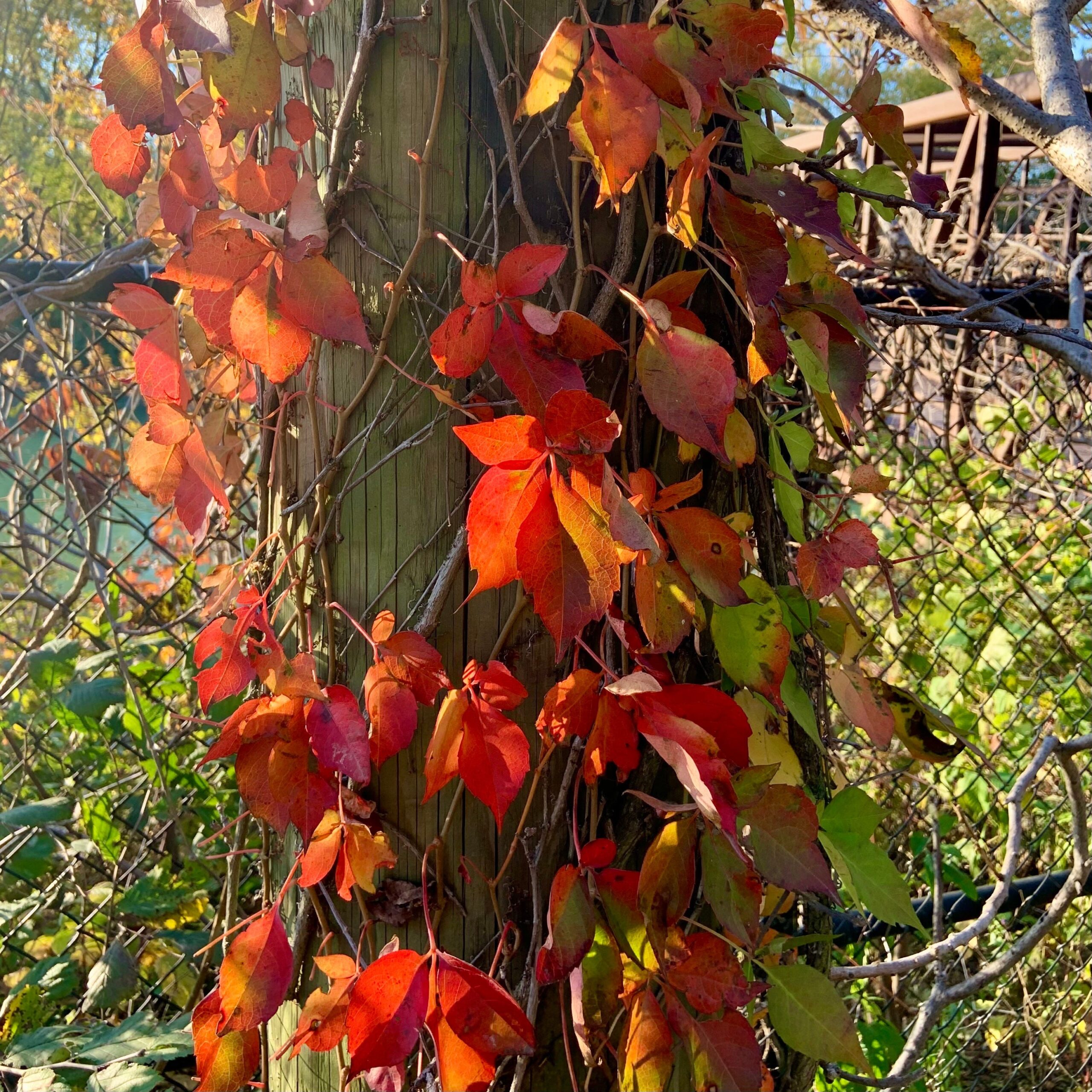
Poison ivy leaves in the fall.
Where Poison Ivy Commonly Grows
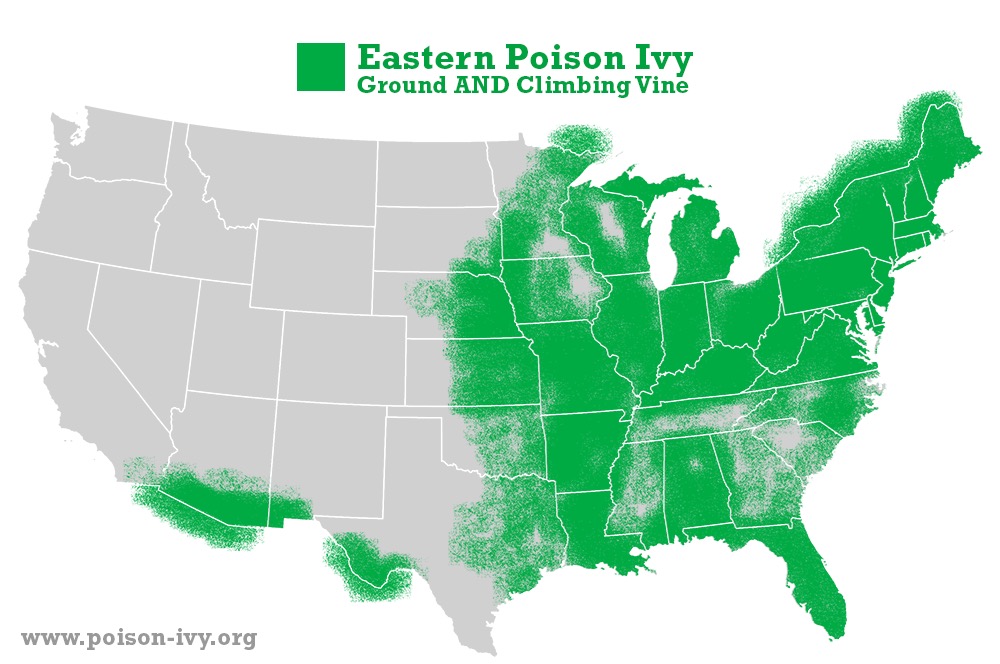
Poison ivy grows throughout much of the United States and is especially common in the eastern and southeastern regions. It thrives in temperate climates with moderate rainfall, particularly along woodland edges, fence lines, stone walls, and residential landscapes. Because poison ivy prefers more humid environments, it becomes far less common in the dry interior West.
Poison ivy often grows where sunlight reaches moist soil, but it can tolerate a wide range of conditions. It thrives in many environments throughout New England, including:
-
Woodland edges
-
Stone walls
-
Garden borders
-
Fence lines
- Tree stumps
-
Conservation land and trails
-
Around sheds, decks, and foundations
Left unmanaged, poison ivy spreads aggressively and can quickly take over portions of a yard or landscape.

Decades of Experience
We’ve been serving Boston Metro West since 2000.
No Job Too Big or Small
From golf courses to tiny garden patches, we can handle it!
Licensed and Insured
We are fully licensed and insured in Massachusetts
Areas We Serve
We specialize in removing or eradicating garlic mustard, Asiatic bittersweet, Norway maple, autumn olive, black swallow-wort, multiflora rose, porcelain berry and Japanese barberry throughout Massachusetts, including the towns of Acton, Amesbury, Andover, Arlington, Bedford, Beverly, Billerica, Boxford, Burlington, Carlisle, Chelmsford, Concord, Georgetown, Gloucester, Groton, Harvard, Haverhill, Holliston, Hudson, Ipswich, Kensington, Lancaster, Leominster, Lexington, Littleton, Lunenburg, Methuen, Newbury, Newburyport, North Andover, North Reading, Pepperell, Reading, Rowley, Stoneham, Topsfield, Townsend, West Newbury, West Townsend, Westford, Weston, Wilmington, Winchester, Woburn and other surrounding towns.
We also specialize in removing or eradicating garlic mustard, Asiatic bittersweet, Norway maple, autumn olive, black swallow-wort, multiflora rose, porcelain berry and Japanese barberry in the counties of:
- Barnstable County, MA
- Bristol County, MA
- Middlesex County, MA
- Norfolk County, MA
- Plymouth County, MA
- Worcester County, MA

Seeking to help people and native vegetation thrive in New England landscapes.
Contact Info:
Office Phone: (978) 401-9675
Email: [email protected]
Feel free to contact us with any questions about our services.